Parsi Cuisine: A Journey of Heritage and Flavor
The culinary landscape is often painted with narratives of personal journeys and the rich tapestries of national food traditions. Cookbooks frequently employ these familiar methods to connect with readers. Yet, a rarer, more profound approach emerges when an author skillfully weaves these two threads together, holding a mirror to both their individual story and their ancestral heritage. Niloufer Ichaporia King's celebrated 2007 work, "My Bombay Kitchen: Traditional and Modern Parsi Home Cooking," stands as a prime example of this captivating dual perspective.
A Culinary Odyssey: The Parsi Story and Global Flavors
King's meticulously crafted book, spanning over 300 pages, takes us on a deep dive into the history of the Parsis. This ancient Persian community, adherents of Zoroastrianism, faced persecution following the Arab-Islamic conquests of Persia. Like many displaced peoples throughout history, the Parsis sought refuge, with a significant number eventually settling on the western coast of what is now India.
For King's own family, this migration led them to establish roots in Bombay (now Mumbai). Here, their distinct Persian culinary traditions began to intermingle with the vibrant flavors and techniques of Indian cuisine. The result, as King so eloquently describes in "My Bombay Kitchen," is a "magpie cuisine" characterized by an "immense range of tastes and techniques." This fusion cuisine is a testament to adaptation and cultural exchange, a delicious evolution born from necessity and resilience.
King's personal journey mirrored this theme of evolving culinary horizons. She relocated from Bombay to Baltimore in 1962, and subsequently to Berkeley, California. Each move enriched her understanding of food, further influenced by her pursuit of a doctorate in anthropology at the University of California, Berkeley. It was in California that she connected with the pioneers of the farm-to-table movement at the formative Chez Panisse restaurant. For over a decade, King spearheaded their annual Persian New Year (Nowruz) dinner, a celebration that profoundly impacted those who had the pleasure of experiencing it. The writer's own memories of these events recall King's masterful ability to showcase the bright, bold flavors of India and Persia, elevated by the pristine ingredients of California. This culinary synergy didn't just impress; it fundamentally reshaped perceptions of cooking and eating.
Innovation Rooted in Tradition: King's Signature Style
The recipes within "My Bombay Kitchen" embody this same spirit of fresh, inventive cooking, always with a grounding in tradition. King's Parsiburgers, for instance, offer a delightful and accessible interpretation of classic kebabs. These are not rigidly bound by tradition but are instead a testament to the joy of improvisation in the kitchen. The recipe involves your choice of ground meat, seasoned with a fragrant blend of chopped yellow or green onions, fresh ginger, fiery green chiles, and a generous mix of cilantro and mint. The patties are then shaped, sizzled to perfection in a skillet, and presented with the utmost versatility, allowing for personal preference in serving. This approach epitomizes King's cooking philosophy: the soul of Persia and the Indian subcontinent finding expression through the free-spirited individuality of California cuisine.
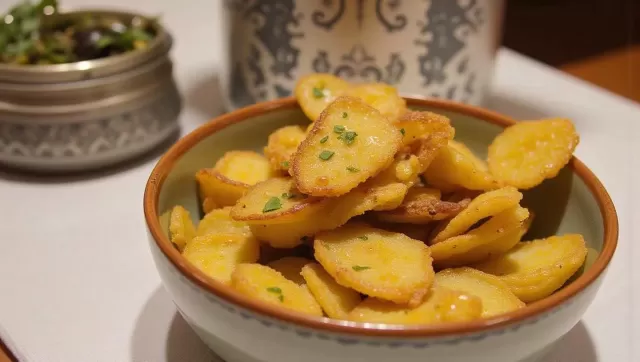
A particularly charming aspect of Parsi food culture, as highlighted by King, is their deep affection for potatoes. She humorously notes, "If I had to draw a Parsi food pyramid, it would rise out of a plinth of potato chips." This playful exaggeration underscores the ubiquitous presence of potatoes in their diet. The cookbook offers a delightful array of potato preparations, including recipes for delicate fried angel-hair potatoes and crisp potato wafers, affectionately referred to as potato chips. Beyond simple preparations, King also shares recipes for hearty hash infused with the aromatic complexity of curry leaves and the warm hue of turmeric, further demonstrating the diverse ways potatoes are embraced.
Recipes That Become Ritual: A Mark of an Indispensable Cookbook
For many who have engaged with "My Bombay Kitchen," certain recipes transcend mere instructions and become cherished annual traditions. The writer's own experience with King's zesty and sharp tomato chutney serves as a perfect illustration. For several years, the author made this chutney annually, meticulously canning batches as thoughtful gifts for loved ones and as preserved treasures for future enjoyment. The chutney's profile is described as vibrantly fresh and delightfully plucky, boasting a generous dose of cane vinegar, a kick of chile powder, the warming embrace of cloves and cinnamon, and the invigorating bite of matchsticks of fresh ginger. The fact that a recipe becomes a recurring ritual, a dependable part of one's culinary calendar, is an undeniable hallmark of a truly indispensable cookbook.
This enduring appeal of King's recipes lies in their ability to evoke personal memories, connect generations, and foster a sense of continuity. They are not just about sustenance; they are about storytelling, about heritage, and about the profound pleasure derived from sharing good food.
The Parsi Diaspora: A Culinary Crossroads
The story of the Parsis is a compelling narrative of displacement and adaptation. Their journey from ancient Persia to India is a testament to their resilience and their ability to forge new identities while preserving their cultural heritage. This journey is most vividly expressed through their cuisine, which became a vibrant fusion of their ancestral flavors and the culinary traditions of their new homeland.
| Historical Event | Impact on Parsi Cuisine |
|---|---|
| Arab-Islamic Conquest of Persia | Led to persecution and the initial diaspora of Zoroastrians. |
| Migration to Western India | Established a new home in regions like Gujarat and Maharashtra, particularly Bombay. |
| Interaction with Indian Flavors | Merging of Persian spices, cooking methods, and ingredients with local Indian ones. |
| Development of "Magpie Cuisine" | Creation of a unique culinary style characterized by diverse tastes and techniques. |
This blending is not merely superficial; it's a deep integration that has resulted in dishes that are distinctly Parsi yet undeniably Indian. The use of Indian spices like turmeric, cumin, and coriander alongside Persian aromatics like rosewater and saffron, and the adaptation of cooking techniques to suit local ingredients, showcase this dynamic exchange.
Niloufer Ichaporia King: A Culinary Anthropologist
Niloufer Ichaporia King's background as an anthropologist deeply informs her approach to food writing. Her academic training provided her with a framework for understanding culture through its tangible expressions, and food is one of the most fundamental. In "My Bombay Kitchen," she doesn't just present recipes; she unpacks the cultural significance behind them, offering insights into the history, customs, and daily lives of the Parsi community.
Her personal narrative, interwoven with her ancestral story, adds a layer of authenticity and emotional resonance. By sharing her own journey from Bombay to California and her experiences within the culinary world, she invites readers to connect with her on a more personal level. This dual perspective allows her to celebrate both the grand sweep of history and the intimate details of home cooking.
Key Elements of Parsi-Indian Fusion Cuisine
The unique character of Parsi cuisine lies in its ability to harmoniously blend seemingly disparate elements. This fusion is evident in several key areas:
- Spice Blends: Parsis utilize a complex array of spices, often combining the warmth of Indian masalas with the subtle perfumed notes common in Persian cooking. Cardamom, cinnamon, cloves, and nutmeg often feature prominently, alongside chili, turmeric, and coriander.
- Sweet and Sour Profiles: Many Parsi dishes incorporate a delightful balance of sweet and sour flavors, a characteristic that sets them apart. This is often achieved through the use of ingredients like tamarind, vinegar, jaggery, and dried fruits.
- Use of Meats and Eggs: While vegetarianism is respected, meat and egg dishes hold a central place in Parsi cuisine. The preparation often involves slow cooking and rich gravies.
- Rice as a Staple: As with much of Indian cuisine, rice forms the foundation of many Parsi meals, served as a flavorful accompaniment to their rich curries and stews.
- Influence of Zoroastrianism: While not directly dictating recipes, the ethical principles of Zoroastrianism, emphasizing purity and good deeds, may subtly influence the care and attention given to food preparation.
"My Bombay Kitchen": More Than Just Recipes
"My Bombay Kitchen" is more than a collection of recipes; it's a gateway into a rich and often underappreciated culinary tradition. It's an invitation to explore the history of a resilient community through the universal language of food. King's ability to blend her personal story with anthropological insight and innovative recipes makes this book a standout in the culinary literature. It's a testament to the fact that food is not just about nourishment; it's about identity, memory, and the enduring connections that bind us to our past and to each other. The book encourages a thoughtful engagement with cooking, urging readers to experiment, to innovate, and to find their own unique culinary voice, inspired by the legacies of those who came before. It's a celebration of how food can be both a window into the past and a vibrant expression of the present.