Alphabet Buys Intersect Power for AI Energy

In a significant move to secure its infrastructure for the future of artificial intelligence, Alphabet, the parent company of Google, has officially entered into a definitive agreement to acquire Intersect Power. The deal, valued at $4.75 billion in cash, also includes the assumption of the developer's outstanding debt. This acquisition marks a major pivot in how big tech companies are managing the intersection of high-capacity computing and sustainable energy production.
Announced this Monday, the acquisition is designed to provide Alphabet with a streamlined path to expanding its power-generation capacity. As Google continues to build out its global network of data centers, the demand for electricity has reached unprecedented levels. By bringing a developer like Intersect Power in-house, Alphabet can bypass the limitations of local utility providers. Currently, many regional grids are struggling to keep pace with the massive energy requirements of AI-focused enterprises, leading to potential bottlenecks in technological deployment.
Securing a stable, dedicated energy supply has become more than just a logistical concern; it is now a critical strategic asset. Training modern large-scale AI models requires immense computational power, which in turn demands a constant and reliable flow of electricity. This acquisition ensures that Alphabet will have the necessary power to fuel its AI ambitions without being subject to the volatility or capacity constraints of the public energy market.
This acquisition is the culmination of a burgeoning relationship between the two companies. Alphabet was not a stranger to Intersect Power's operations prior to this deal, having previously held a minority stake in the firm. This initial connection was forged last December when Google and TPG Rise Climate co-led an $800 million strategic funding round for the developer. At that time, the partnership outlined an ambitious roadmap, setting a target of $20 billion in total investment by the year 2030 to revolutionize clean energy infrastructure.
The structure of the acquisition is specific in its scope. Alphabet is primarily acquiring Intersect's future development pipeline and its forward-looking projects. Interestingly, the company's existing operations are not part of this specific transaction. Instead, those current assets will be bought out by a separate group of investors and will continue to be managed as an independent company. This allows Alphabet to focus purely on the "next generation" of energy-integrated data infrastructure.
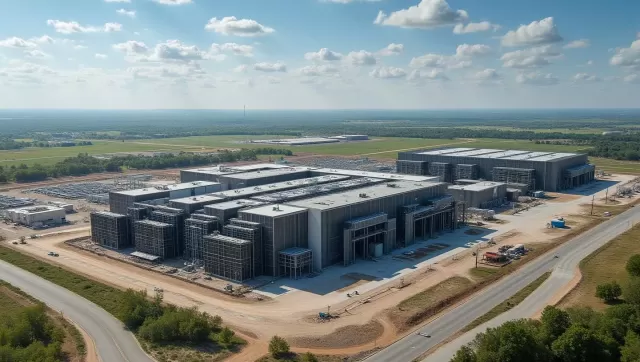
Central to this vision are Intersect's "data parks." These facilities represent a modern evolution of the traditional data center. Rather than being isolated buildings connected to a distant grid, these campuses are strategically located immediately adjacent to renewable energy sources, including wind and solar farms, as well as large-scale battery storage systems. This co-location model reduces transmission loss and ensures a direct line of "green" power to the servers. According to timelines established during Google's initial minority investment, these parks are expected to begin operations as early as late next year, with full completion and optimization projected for 2027.
While the transaction is set to close in the first half of next year, the operational philosophy of these sites is already clear. Google is intended to be the primary tenant and anchor user of these energy-rich campuses. However, the sites are not designed to be exclusive silos. They are being built as industrial parks that are versatile enough to host the AI hardware of other companies. This "open campus" model suggests that while Alphabet is securing its own future, it is also building the foundational infrastructure that could house the broader AI ecosystem.