Hyundai Ioniq 6: A Yearlong EV Review
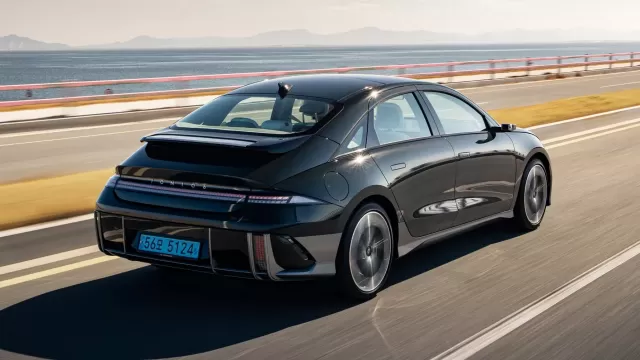
Amidst the swirling debates surrounding electric vehicle adoption, including tariff uncertainties and tax credit expirations, the Hyundai Ioniq 6 emerges as a compelling option. We spent over a year evaluating the 2024 Hyundai Ioniq 6 SE Long Range, racking up over 15,000 miles and encountering minimal issues. It proved to be a competent, affordable, and reliable EV, largely free of the drama often associated with the current EV landscape.
What Makes the Ioniq 6 Stand Out?
Our Ioniq 6 SE Long Range featured a single rear-mounted motor powered by a 77.4-kWh battery, producing 225 horsepower and 258 lb-ft of torque. While not a track star, its 0-60 mph time of 6.0 seconds provided ample power for navigating city streets and highways in both Seattle and Los Angeles.
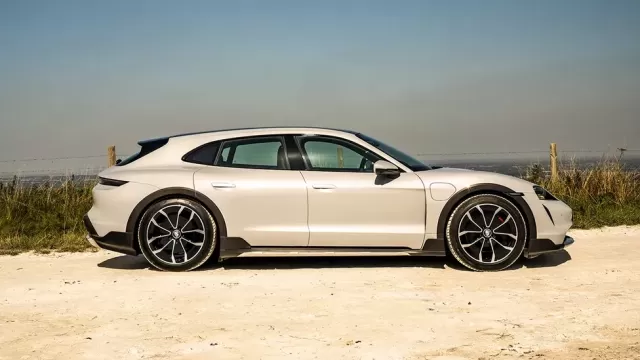
One of the Ioniq 6's key strengths lies in its rapid charging capabilities, thanks to Hyundai's advanced 800-volt E-GMP platform. In our tests, it charged from 5 to 80 percent in just 19 minutes at a DC fast charger, placing it among the quickest-charging EVs we've tested, second only to the Porsche Taycan. The move to the NACS charging port standard, also known as the Tesla Supercharger setup, further enhances its charging convenience. Using an aftermarket Lectron adapter, we successfully utilized Tesla Supercharger stations, significantly expanding our charging options.
While range varied based on weather and driving conditions, the Ioniq 6 impressed with its efficiency, achieving 3.9 miles per kilowatt-hour over the long term. As a sedan, a vehicle type facing declining market share, the Ioniq 6 offers a unique choice in the EV market, with the Tesla Model 3 as its main competitor. In a previous comparison, the Ioniq 6 outperformed the Model 3 due to its superior charging, on-road behavior, and range, with the Hyundai now boasting equal access to the Supercharger network.
Minor Shortcomings
Despite its many positives, the Ioniq 6 had some drawbacks. The interior, while spacious, lacked visual appeal. The front seats weren't ideal for long journeys, the wired Apple CarPlay/Android Auto used an older USB-A connection, and the center console layout could be improved. The door armrests prioritized form over function, leaving an awkward gap. Many of these issues are reportedly addressed in the upcoming 2026 model.
The trunk offers only 11.2 cubic feet of space, limiting its cargo capacity, and the trunk opening could be wider. Rear headroom is also somewhat limited due to the sloping roofline, a design element that contributes to the car's aerodynamic efficiency with a drag coefficient of 0.22.
The styling of the Ioniq 6 can be described as polarizing. While the design enhances aerodynamic efficiency, the droopy rear, double rear spoiler, and vertical strakes on the rear bumper have drawn criticism. These design elements are expected to be updated for the 2026 model.
On the Road
The Ioniq 6 is easy to drive, offering a heavy steering feel and a smooth, confident ride. It handles both spirited driving and stop-and-go traffic with ease. While it could be more refined over rough road surfaces, the suspension performed well in most driving scenarios. The car strikes a balance between a sport sedan and a luxury cruiser.
Hyundai's advanced driver-assist systems, including adaptive cruise control and lane keeping/steering assist, worked effectively, especially on long highway drives. The i-Pedal feature, which enables one-pedal driving, was also a useful addition. The MyHyundai app provides helpful vehicle information and features like auto-locking and climate control, although its EV charger route-planning could be improved.
While the proximity sensors could be overly sensitive, useful features like the chime indicating the car in front has moved and the frontal crash warning were appreciated. Luxury touches like the automatic door handles add to the car's appeal, especially considering its price point of around $43,000.
During our test, the Ioniq 6 was subject to one recall to address a potential issue with the ICCU (Integrated Charging Control Unit). The issue was resolved with a software update. A scheduled service, including a tire rotation, cost $49.99. Our running costs averaged $0.11 per mile, with a total charging cost of $1,729.92 over 14 months, which could have been reduced with more home charging during off-peak hours.
A Solid Foundation, Set to Improve
The Ioniq 6 continues to evolve with the upcoming 2026 model addressing several of the shortcomings of the current version. The arrival of the high-performance Ioniq 6 N signals Hyundai's commitment to the EV sedan. While the Ioniq 5 SUV may be a more versatile choice for some, the Ioniq 6 offers a unique appeal as a traditional four-door car, proving to be a reliable and drama-free EV that we enjoyed having in our fleet.
- Our Hyundai Ioniq 6's EPA-Estimated 361-Mile Range Remains Out of Reach
- The Hyundai Ioniq 6 Carried Us Through a Winter of Content
- ICCU: The Four-Letter Word Ioniq Owners *Hate*
- Are the Kids Alright in Our 2024 Hyundai Ioniq 6 SE Long-Range?
- Long Hauling in Our 2024 Hyundai Ioniq 6 SE Long-Range
- A Hyundai Ioniq 6 SE Long-Range Just Arrived for a Yearlong Test: Style or Substance?